Waste collection near Acton Town station best practices
Posted on 12/08/2026
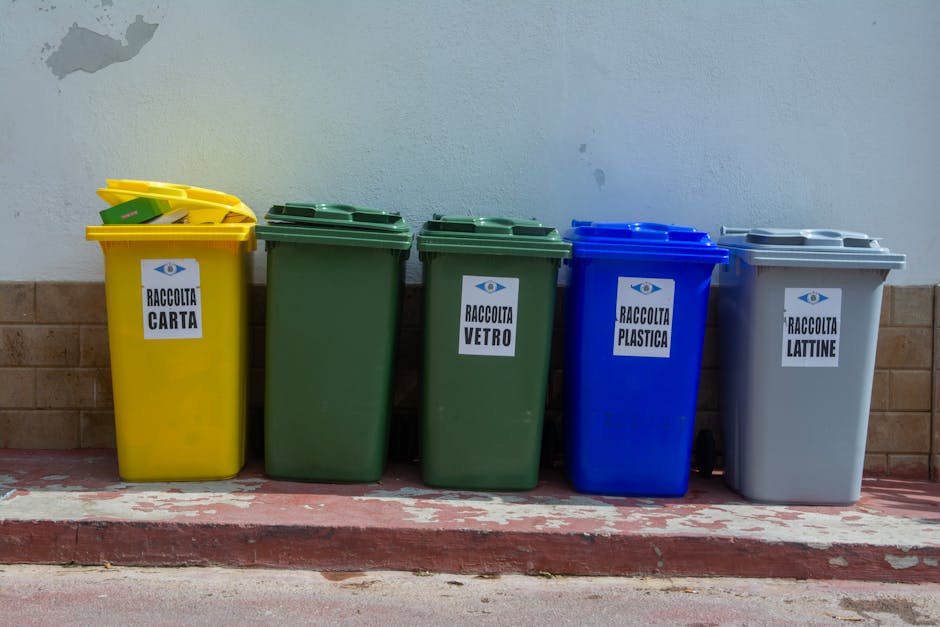
If you live, work, let property, or run a busy premises near Acton Town station, waste has a habit of becoming a daily issue rather than an occasional one. Bags pile up faster than expected, pavement space is tight, and one sloppy collection can create mess, complaints, or even a missed pickup. The good news? Waste collection near Acton Town station best practices are straightforward once you understand the local rhythms, the common risks, and the right way to plan collections. This guide walks through what works, why it matters, and how to keep rubbish moving out cleanly, safely, and without fuss.
Whether you are managing a flat on a narrow road, dealing with a shop back entrance, or clearing out a rental between tenancies, the same rule applies: the best waste systems are the ones people can actually stick to. Not perfect. Just reliable, tidy, and sensible.
- Why the best practices matter
- How waste collection works near Acton Town station
- Key benefits and practical advantages
- Who this is for and when it makes sense
- Step-by-step guidance
- Expert tips for better results
- Common mistakes to avoid
- Tools, resources and recommendations
- Law, compliance and standards
- Options, methods and comparison
- Case study or real-world example
- Practical checklist
- Conclusion
- Frequently asked questions
Why Waste collection near Acton Town station best practices Matters
Acton Town station sits in a part of West London where daily movement is constant. Commuters pass through, properties are often compact, and many homes, offices, and mixed-use buildings share limited access points. That combination changes the game. Waste that would be minor in a suburban driveway can become a real problem on a busy street, especially if collection timing is off or bins are overfilled.
Best practices matter for three simple reasons. First, they reduce clutter and keep walkways usable. Second, they help prevent odours, pests, and overspill. Third, they make life easier for everyone involved: residents, landlords, cleaners, office managers, and collection crews. Truth be told, most waste problems are not dramatic. They are just a chain of small avoidable decisions.
There is also a reputation angle. If a property is tidy around its waste storage area, people notice. Let's face it, nobody wants the front of a building to look like the bin store has lost a quiet argument. For landlords and businesses near the station, that first impression can matter more than people admit.
For a broader look at local living patterns and how the area functions day to day, it can help to read why locals choose to live in Acton and the Acton area guide. They give useful context for how the neighbourhood actually feels on the ground.
How Waste collection near Acton Town station best practices Works
Good waste collection near a transport hub is built around timing, segregation, access, and predictability. That sounds dry, but it is the practical core of the thing. The process usually starts with identifying what type of waste you have, how much of it there is, and whether it can be moved in one visit or needs staged collection.
For example, a small household clear-out may only need mixed rubbish and a few reusable items separated before collection. A restaurant, cafe, or office near the station may need a more regular rhythm, with food waste, dry recyclables, cardboard, and general waste handled differently. Builders or decorators may need extra caution because dusty rubble, timber offcuts, and plasterboard cannot always be treated the same way as ordinary rubbish.
The second part is access. Near busy streets and station approaches, access can be awkward. Collection crews need a safe place to stop, clear instructions about entry points, and rubbish positioned where it can be collected without dragging bags through reception areas or across public walkways. That is why many jobs go more smoothly when the waste is bagged, labelled, and ready before the crew arrives.
The third part is disposal route. Responsible waste handling usually means sorting items so that reusable materials, recyclable materials, and residual waste are separated where possible. Services that focus on recycling and sustainability are especially useful when you want to reduce landfill-heavy disposal and keep the process cleaner overall.
If your job is larger or more specialised, it can also help to look at the wider services overview. That gives a better sense of how different collection types fit together, from single-item removal to bulk clearances.
Key Benefits and Practical Advantages
Done well, waste collection is one of those background systems that quietly improves everything else. You barely think about it when it works. You definitely notice it when it does not.
Here are the benefits that matter most near Acton Town station:
- Cleaner shared spaces: less litter, fewer spillages, and a better environment for neighbours and visitors.
- Reduced odour and pest risk: especially important for food waste, damp cardboard, and long-stored bags.
- Better time management: fewer delays, fewer emergency calls, and less scrambling on collection day.
- Safer access routes: useful for properties with narrow entrances, steps, or mixed pedestrian traffic.
- More predictable costs: when waste is assessed properly, you are less likely to pay for avoidable extra volume or repeat visits.
- Stronger compliance habits: particularly for businesses and landlords who need a sensible paper trail and responsible handling.
There is another benefit people miss: peace of mind. A tidy waste system means you are not wondering whether black bags will be left behind because of a simple mistake. That kind of low-grade stress sounds small, but it adds up.
If you are comparing ways to handle a property clean-up, the pricing and service structure behind it matters too. A quick look at pricing and quotes can help set expectations before anything is booked.
Who This Is For and When It Makes Sense
This topic is relevant to far more people than just homeowners with overflowing bins. Around Acton Town station, waste collection best practices make sense for:
- Residents in flats, terraces, and shared houses who need regular tidy-outs.
- Landlords and letting agents handling end-of-tenancy rubbish or bulky leftovers.
- Offices and co-working spaces managing cardboard, electronics, and general office waste.
- Retail and hospitality premises where storage space is limited and collections need to be dependable.
- Builders and renovators who need debris removed without blocking access or annoying neighbours.
- People doing house clearances after a move, probate situation, or major downsizing.
It also makes sense if you have a recurring issue rather than a one-off mess. Maybe the bin area is always messy. Maybe rubbish accumulates faster than collections happen. Maybe you are juggling a basement store, a back lane, and a building with no obvious place to stage items. In those cases, a better process is not optional. It is the difference between staying on top of things and constantly cleaning up after them.
For practical support with larger removals, people often find services like house clearance in Acton, office clearance support, or furniture disposal more efficient than trying to manage the whole thing with ad hoc trips.
Step-by-Step Guidance
If you want a waste system that actually holds up near Acton Town station, start with the basics and work outward. No drama. Just a method that makes sense in real life.
- Identify the waste stream. Separate general rubbish, recyclables, bulky items, garden waste, and construction debris. Do not wait until the night before. That always becomes a shuffle.
- Estimate volume honestly. A bag that looks light can become a headache in bulk. Count bags, boxes, and large items. If you are unsure, round up a bit.
- Check access points. Note whether crews can reach the waste easily. Is there a front entrance, side alley, rear gate, or lift access? Any low railings, tight stairwells, or parking restrictions?
- Prepare items safely. Bag loose waste, flatten cardboard, tape sharp edges, and keep liquids sealed. Broken glass and loose nails are not glamorous. They are just annoying and risky.
- Set out clearly. Put waste in the agreed location, not halfway down the path and not blocking residents, deliveries, or pedestrians.
- Choose the right collection type. Small mixed rubbish, bulky removal, furniture disposal, garden waste, and construction debris all behave differently. Match the service to the job.
- Schedule at a sensible time. Around a station, timing matters. Early morning, late afternoon, or peak commuter periods can be awkward. Pick a window that keeps things smooth.
- Confirm what happens after pickup. Ask how items will be sorted, whether reusable goods are diverted where possible, and what documentation you may need for business records.
A small real-world detail: if you are clearing a flat near the station on a damp London morning, cardboard can become heavy and awkward fast. Flatten it early. It is one of those boring jobs that saves you twice the hassle later.
Expert Tips for Better Results
Here is where experience tends to matter. The difference between a decent collection and an excellent one is often in the small decisions people make before anyone arrives.
- Stage waste by category, not by room. A pile from the bedroom and a pile from the kitchen can look organised, but sorting by material makes pickup cleaner and faster.
- Keep a clear path. Even one awkward chair or a wet umbrella stand can slow the whole job down. Little obstacles become bigger than they should.
- Use sturdy bags and boxes. Thin bags split. Then you are re-bagging rubbish while muttering to yourself. Nobody needs that.
- Protect the route. If waste must pass through communal areas, lay down temporary protection where needed and avoid scraping walls or floors.
- Ask about mixed loads before collection. Some loads are straightforward; others need more careful sorting. Clear communication saves time.
- Keep a record for repeat sites. For landlords and businesses, a note of what was removed and when can make the next collection easier to plan.
One useful habit is to think one collection ahead. If you know another clear-out is likely next month, don't set up a system that only works once. Build a process you can repeat without thinking too hard.
For residents near busy corridors, local notes like rubbish collection tips for Churchfield Road residents can be handy too, because many of the access and timing lessons carry over.
Common Mistakes to Avoid
Most waste problems near stations come from predictable mistakes. The good news is they are all fixable.
- Leaving bags loose or open: that leads to spillages, smells, and mess during handling.
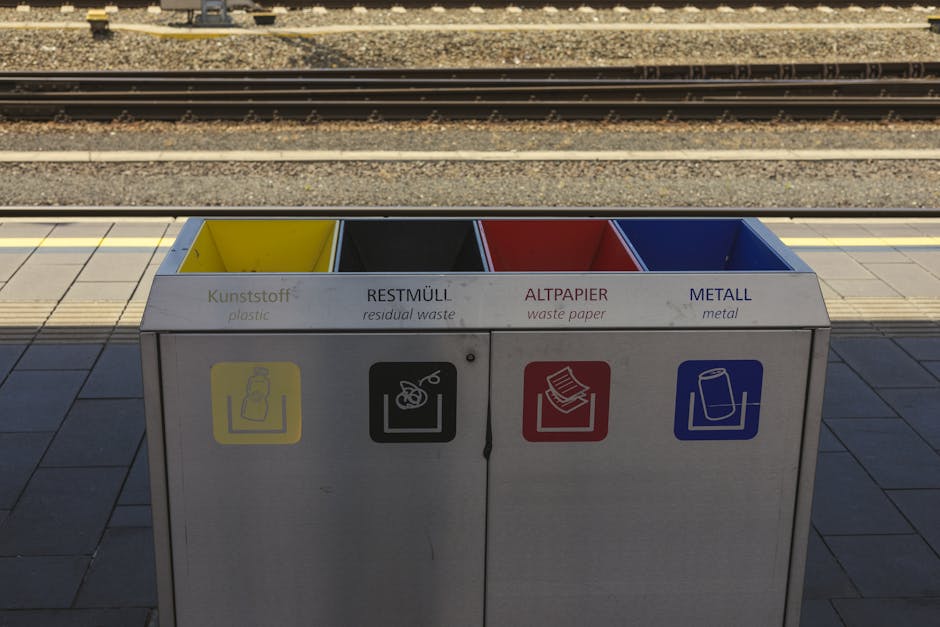
- Mixing everything together: recyclable cardboard, electricals, and general rubbish all bundled up makes disposal less efficient.
- Underestimating volume: especially common with clear-outs. A few items somehow become a van-load. Happens all the time.
- Blocking access: putting waste where crews cannot reach it cleanly, or where neighbours must step around it, creates complaints fast.
- Ignoring timing: collections arranged at the wrong time can clash with traffic, deliveries, or footfall.
- Choosing the wrong service type: a furniture removal job is not the same as garden waste removal or builders waste disposal.
- Forgetting about compliance: business waste, hazardous items, and restricted materials need more care than ordinary household rubbish.
If you are handling a property after tenants leave, the most common issue is simply leftovers everywhere. A pile of old lamp shades here, a broken chair there, a half-empty paint tin on the back step. Individually minor. Together, a nuisance.
Tools, Resources and Recommendations
You do not need fancy kit to manage waste well, but a few simple tools make the whole process easier and safer:
- Heavy-duty bags: better for mixed rubbish, loose packaging, and damp waste.
- Box cutters and tape: useful for flattening cardboard and sealing sharp edges.
- Gloves: not essential for every job, but very helpful for dusty, dirty, or awkward loads.
- Labels or marker pens: great for separating items, especially in offices or multi-occupancy buildings.
- A simple inventory list: ideal for larger clearances so nothing gets missed.
- Access notes: make a quick note of gate codes, entry routes, parking limitations, and any building rules.
For fuller support, it may help to use a provider with a clear service structure and safety-first approach. A few pages worth exploring are about the company, insurance and safety, and the recycling and sustainability information. Those details are reassuring, especially if the job is more than a simple bin run.
And if you are comparing service types, the most useful rule is this: choose the method that reduces handling, not the one that sounds cheapest on paper. Cheap can become fiddly very quickly.
Law, Compliance, Standards, or Best Practice
Waste handling in the UK comes with responsibilities, and it is wise to be careful rather than casual. The exact rules depend on whether the waste is household, commercial, or construction-related, and whether any items are hazardous or restricted. You do not need to be a legal expert to make sensible decisions, but you do need to avoid shrugging off the important bits.
For households, the main concern is usually separating waste sensibly, keeping shared areas tidy, and placing rubbish for collection in a safe and permitted manner. For businesses, there is usually more emphasis on duty of care, record keeping, and ensuring waste goes to an appropriate licensed handler. If in doubt, ask for clarity before the load leaves site. Much easier than trying to sort it out afterwards.
Construction and renovation waste needs particular care. Bricks, plasterboard, timber, metal fittings, and old fixtures may require different handling or sorting. Some materials are awkward rather than dangerous, but awkward still counts. A good collection process should not leave you guessing.
It is also sensible to verify that safety and handling practices are explained clearly. That is one reason why a page like insurance and safety matters so much. It shows that the service is thinking beyond the pickup itself.
For pricing, terms, and payment handling, the useful pages are terms and conditions and payment and security. Slightly dull reading, perhaps, but honestly worth it when a job is time-sensitive and you want no surprises.
Options, Methods, or Comparison Table
Different waste situations near Acton Town station call for different methods. Here is a simple comparison to help you choose.
| Method | Best for | Strengths | Limitations |
|---|---|---|---|
| Regular bin collection and staging | Routine household or small office waste | Simple, low effort, familiar | Limited for bulky or urgent loads |
| Bulk waste collection | One-off clear-outs, furniture, mixed rubbish | Fast and convenient | Needs good sorting and access |
| Specialist builders waste disposal | Renovation debris and construction materials | Better for heavy, messy, or awkward loads | Requires clearer planning |
| Garden waste removal | Cuttings, soil, branches, outdoor clear-ups | Keeps organic waste separate and tidy | Not suitable for mixed household waste |
| Office clearance | Desks, chairs, storage, paperwork, fit-out waste | Efficient for business moves or refurbishments | May need scheduling around trading hours |
In practice, the best choice is often a combination. A landlord might need furniture disposal plus general rubbish removal. A cafe might need routine waste plus occasional deep-clear collections. A contractor might need one builders waste pickup and then a smaller follow-up. Simple enough once you stop trying to force everything into one box.
Case Study or Real-World Example
Imagine a small two-bedroom flat near Acton Town station being cleared between tenants. The outgoing tenant has left a mattress, a damaged dining chair, several bags of mixed waste, a stack of flattened boxes, and a few loose household bits in the hallway. Nothing outrageous. But if it is left as-is, the hallway looks messy, the building smells a little stale, and the handover becomes more stressful than it needs to be.
The practical fix is simple. The furniture is separated from general waste, cardboard is flattened and stacked neatly, loose items are bagged securely, and the route from the flat to the collection point is kept clear. The collection is booked for a low-traffic window, and the items are removed in one visit instead of three half-finished attempts.
Now compare that with the same flat handled poorly. Bags are left open. A broken item catches on the stair railing. The collection crew has to ask questions on arrival. The job takes longer, and someone ends up apologising to neighbours because of the extra clutter. Not a disaster, but a headache. The difference is planning, really.
For larger tenancies and end-of-lease clear-outs, house clearance in Acton is often the most efficient route, especially when you want the property ready for the next stage without the usual scramble.
Practical Checklist
Use this checklist before any collection near Acton Town station. It keeps the process calm and avoids the silly errors that eat time.
- Identify waste type: general, recyclable, bulky, garden, or builders waste
- Estimate the amount honestly
- Check access for stairs, gates, parking, and narrow entrances
- Bag or box loose waste securely
- Flatten cardboard and protect sharp edges
- Separate items that should not be mixed
- Keep paths, communal areas, and exits clear
- Choose a collection window that avoids peak disruption
- Confirm any special handling requirements in advance
- Keep a note of what was removed, especially for business or landlord records
Key takeaway: the best waste collection near Acton Town station is not the fanciest one. It is the one that is easy to prepare, safe to access, and reliable enough to repeat when life gets busy again.
Conclusion
Waste collection near Acton Town station best practices come down to a simple idea: make waste easier to move, easier to sort, and easier to collect without disrupting everyone else. That means planning access, separating materials sensibly, using the right collection type, and keeping the process tidy from start to finish.
Once you get those basics right, the whole thing becomes much less of a chore. You spend less time worrying about bags, less time apologising to neighbours, and less time dealing with last-minute surprises. And in a busy part of London, that is worth a lot.
If you are comparing options for a property, business, or one-off clear-out, take a moment to review the practical details, not just the headline promise. A well-run collection is quiet, clean, and done properly the first time. That's the goal, really.
Get a free quote today and see how much you can save.

 Tipper Van - Waste Clearance and Waste Collection Prices in Acton, W3
 Luton Van - Waste Clearance and Waste Collection Prices in Acton, W3


